The Richardson-Pinckney Group, LLC

People. Purpose. Possibility.

The organizational home for Dr. LaTosha Pinckney's work in personal and professional development, learning and development, speaking, workshops, program and process development, and thought leadership.

The Richardson-Pinckney Group, LLC is the organization through which I develop and deliver my professional work. Workshops, teaching, programs, learning resources, and the writing that informs all of it are developed here.

The Group also works directly with organizations. Much of my professional experience has involved developing programs, training and learning resources, leadership development materials, HR and workplace processes, manuals, procedures, and the practical structures that help people understand what needs to happen and carry the work forward. That work continues through the Group.

Both sides come from the same place. Whether I am helping a person examine a belief they have carried for years or helping an organization rebuild a process that no longer serves it, the questions are similar. What is actually happening here? What was this built to do? Is it still doing it? And what would it take to do it differently?
The Philosophy

Three ideas that guide the work

People

People are the reason behind what we do.

We begin with people because businesses, organizations, programs, and services ultimately exist to meet human needs. We seek to understand the people we serve, what matters to them, and what may help them grow, develop, or move forward.

Who are we serving?

Purpose

Purpose is the intention behind what we do.

We believe meaningful work should have a reason behind it. Purpose keeps us from simply doing things because they can be done or because an opportunity exists. It asks us to consider what we are trying to accomplish, why it matters, and whether the work we undertake aligns with the reason we are doing it.

What are we trying to accomplish, and why does it matter?

Possibility

Possibility is what we help people and organizations move toward.

Once we understand who we are serving and are clear about what we are trying to accomplish, we can begin to consider what may be possible. That could mean seeing a situation differently, pursuing a career opportunity, developing as a leader, strengthening a program or process, building something new, or taking a next step that previously seemed out of reach.

What becomes possible when we understand the first two?

In Practice

Where the three ideas do their work

A philosophy is only useful if it changes how the work is done. These are the forms that work takes.

Workshops and professional development

Developed workshops that combine teaching, reflection, discussion, and practical application, adapted for the setting and the people in the room.

Speaking and teaching

Presentations and teaching sessions for conferences, organizations, churches, educational settings, and community and professional gatherings.

Leadership and employee development

Materials and learning experiences that help people grow into the responsibilities they are carrying.

Program development

Helping an organization think through what a program needs to accomplish, who it serves, and how it should actually run.

Learning resources and curricula

Training materials, facilitator guides, and curricula that someone other than the person who wrote them can pick up and use.

HR and workplace process development

People practices, workplace processes, and the documentation that makes them consistent rather than dependent on whoever happens to be handling them.

Organizational processes and practical tools

Manuals, procedures, templates, and structures that let people see what needs to happen and do it.

Writing and thought leadership

Books, articles, and teaching that develop the ideas the rest of the work rests on.

For Organizations

Developing what your people will actually use

Organizations often know something is not working before they can say precisely what. A program is not reaching the people it was built for. A process has been adjusted so many times that no two people run it the same way. New employees are learning the job by asking whoever is nearest. A manager has been promoted into responsibilities no one has prepared them for.

The work usually moves through four stages.

01

Understand what is needed

Before proposing anything, we look at what is actually happening, who is affected, and what the work is supposed to accomplish. Often the problem as first described is not the problem.

02

Clarify how it should work

We determine what the program, process, or practice needs to do, what it needs to produce, and who is responsible for what.

03

Develop the resource

The manual, the curriculum, the facilitator guide, the procedure, the training, the template, the structure. Something concrete.

04

Make it something people can carry forward

A resource that only works when its author is in the room has not solved anything. The aim is something your people can use, adapt, and keep using after the engagement ends.

Every organization's situation is specific, so rather than choosing from a list of services, tell us what you are trying to develop, improve, or address.

Discuss Your Organization's Needs
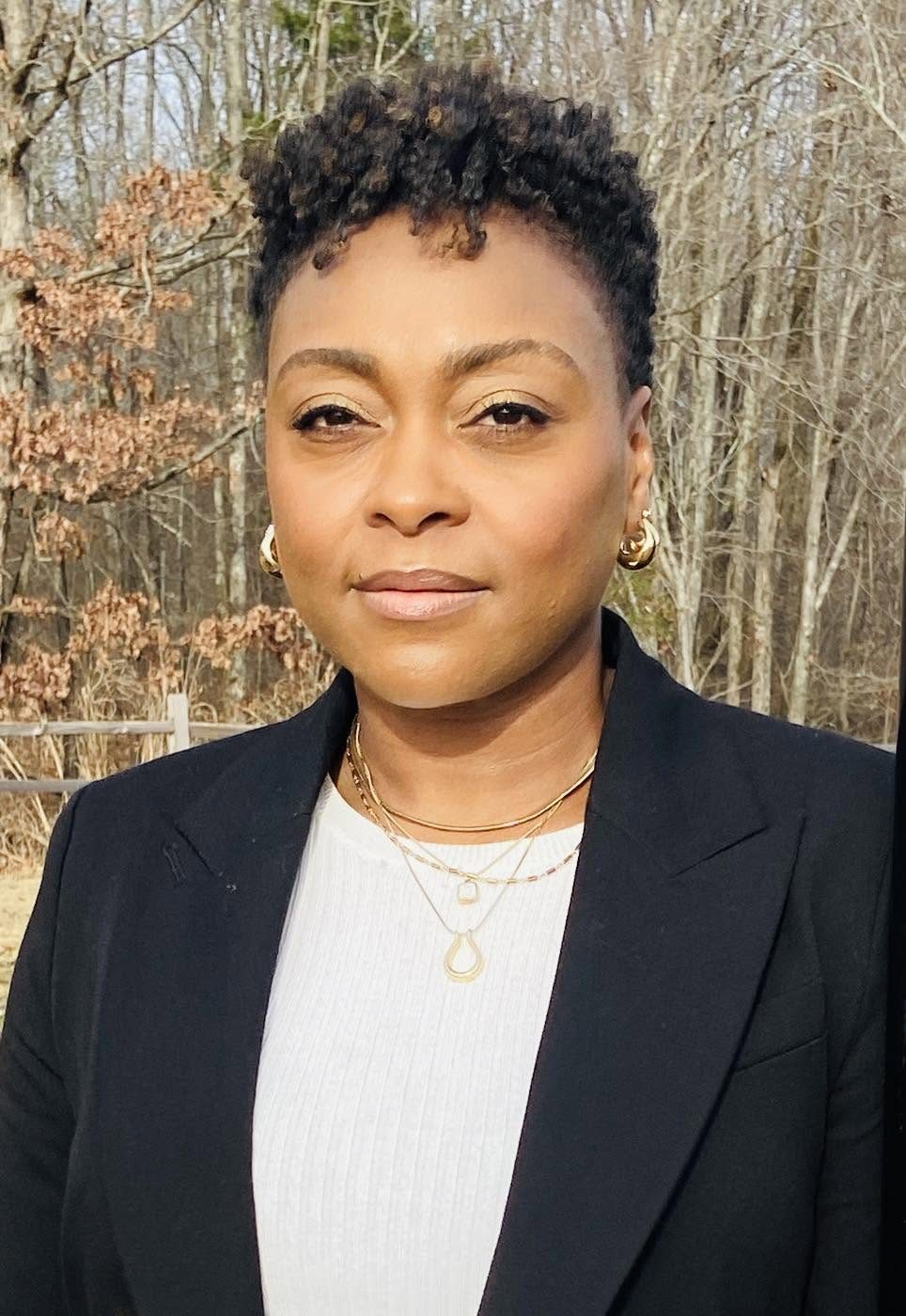
Portrait of Dr. LaTosha Pinckney
Founder

Dr. LaTosha Pinckney

Dr. LaTosha Pinckney is the Founder of The Richardson-Pinckney Group, LLC. She holds a Ph.D. in Psychological & Counseling Studies from Regent University and works as a scholar-practitioner, writer, speaker, workshop facilitator, and organizational leader.

Read Her Full Biography
Created for Women

Daring Woman

Daring Woman is the part of this work created specifically for women. Grounded in Christian faith, it explores identity, beliefs, changing seasons, and intentional living through teaching, reflection, and personal application.

It is developed through the Group alongside the professional work, and it is where the faith-rooted teaching lives most fully.

Explore Daring Woman
Get in Touch

Tell us what you are trying to develop

For organizational support, program or process development, learning resources, professional development, or a consulting conversation, describe your situation in your own terms. There is no need to fit it into a category first.

Discuss Your Organization's Needs